
Colorbond vs Tile Roof Sydney: Cost, Pros & Cons

Tile Roof vs Colorbond: Which Is Better For Homes In Sydney?
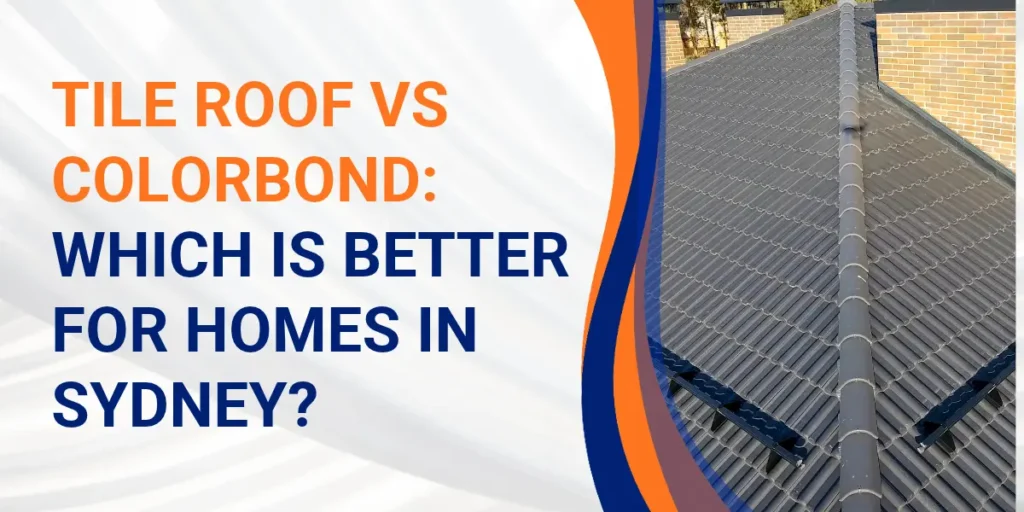
Tile roof vs Colorbond metal roofing comparison for Sydney homes, highlighting traditional tiled roofing and modern roofing options

Picking the best roofing material is one of the important decisions Sydney homeowners will have to face. The roof is not only a barrier between your house and rain, but also gives you protection from natural calamities. This also has implications on energy efficiency, upkeep costs, aesthetics and overall property value as well. Also, considering that Sydney is hot in summer / experiences a lot of rain and thunderstorms during its wet seasons it means you will need to balance how suitable your roofing material is locally.

Colorbond steel roofing and classic roof tiles are two of the most popular choices. Each has its own qualities, but they also vary based on cost, durability and insulation requirements as well as maintenance over the longterm. Colorbond is lightweight with a contemporary finish while tile roofing is heavy duty with beautiful aesthetics and great thermal performance.

So, what is the best prospect for your home? Whether or not to go with a new roofing system depends on your budget, architectural style, current roof structure and location. This guide will compare Colorbond and tile roofing for your Sydney property.

What Is Colorbond Roofing?
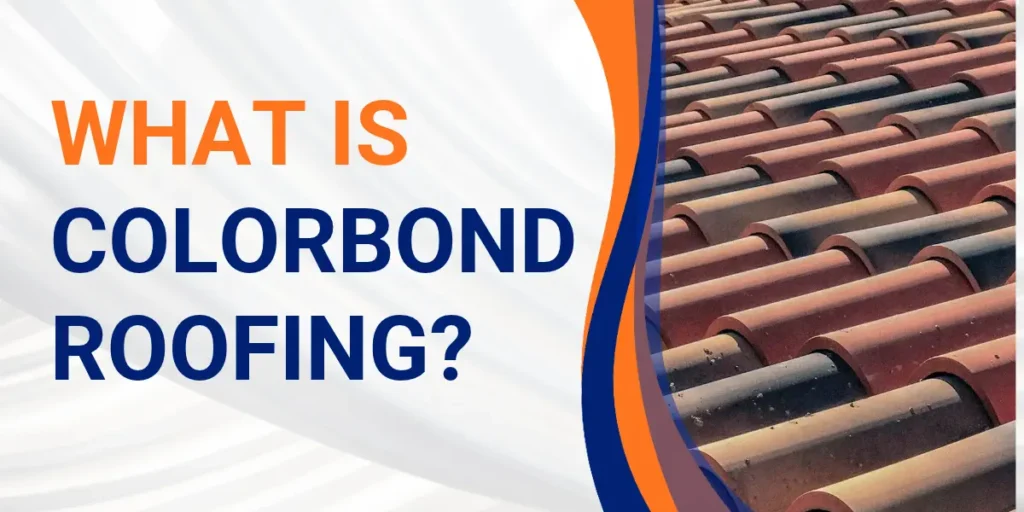
What is Colorbond roofing? Close-up of traditional terracotta roof tiles illustrating different roofing materials for Sydney homes

One of the most popular roofing materials in Australia is COLORBOND steel which is a pre-painted, coated steel developed to face various environmental conditions. It features a proprietary coating system with long-lasting paint finish that helps fight corrosion and keep its good looks. It’s also lighter than many roof replacement materials, which can be a benefit in many roofing situations, especially when homeowners are interested in lightening the load on their existing roof.

A diverse product portfolio is by far one of the main attractions of Colorbond Roofing. Homeowners can select from a host of colours including Surfmist, Monument, Shale Grey and Woodland Grey, along with various finishes and roofing profiles to suit budding modern or traditional Sydney homes. It is engineered for Australia, however there are also specific products available for harsher marine locations. Nonetheless, properties near the coast will need to pay extra attention when choosing what steel grade and maintenance method is best

Colorbond steel roofing and classic roof tiles are two of the most popular choices. Each has its own qualities, but they also vary based on cost, durability and insulation requirements as well as maintenance over the longterm. Colorbond is lightweight with a contemporary finish while tile roofing is heavy duty with beautiful aesthetics and great thermal performance.

So, what is the best prospect for your home? Whether or not to go with a new roofing system depends on your budget, architectural style, current roof structure and location. This guide will compare Colorbond and tile roofing for your Sydney property.

Key Benefits of Colorbond Roofing

  • A lighter construction method: Colorbond steel is significantly lighter than traditional concrete or terracotta roof tiles, making it an option for a wide variety of roof replacement forms.


  • Modern look: Its flat lines, different profiles and wide range of colours suit contemporary homes, extensions and renovations.
    Corrosion resistant: Its protective coating system helps inhibit corrosion, and COLORBOND Ultra steel is created for harsher marine environments.


  • Low-Maintenance: Unlike tiled roofs, Colorbond does not require tiles to be replaced when they crack. Regular inspections and proper cleaning, as well as remedial works to damaged coatings or fixings are still key.


  • Thermal efficiency options: Some light-coloured finishes include Thermatech® solar reflectance technology, which can help minimize heat absorption on sunny days when used in concert with proper roof insulation and ventilation.

Potential Drawbacks of Colorbond Roofing

  • Colorbond roofing offers multiple benefits, but may not be right for every property in Sydney. A common complaint is noise with heavy rains or hail. Rain will sound louder than on a tiled roof if you do not have sufficient insulation over metal roofs and proper ceiling details.


  • Another consideration is if the incorrect product has been installed in a coastal environment and therefore risks corrosion or the inappropriate materials have gained access to the roof e.g. exposure to incompatible materials, unsuitable fixings etc.. Houses near the water may need a specific roofing product along with an exposure appropriate maintenance plan.


  • Variations in heat absorption attributable to the colour of roofing, the insulation and other aspects of building design also can come into play. Darker colours generally absorb more solar heat than lighter alternatives, so a suitable finish is less important for homes exposed to strong summer sunshine.


  • The Capital Cost of Colorbond roofing may vary based on roof style, accessibility and removal and replacement requirements. Because of this, buying it based solely on price may not be an optimal option; as its light-weight construction and rather simple maintenance can sometimes yield many years of dependable service.

Comparing Colorbond and Tile Roof: Major Differences
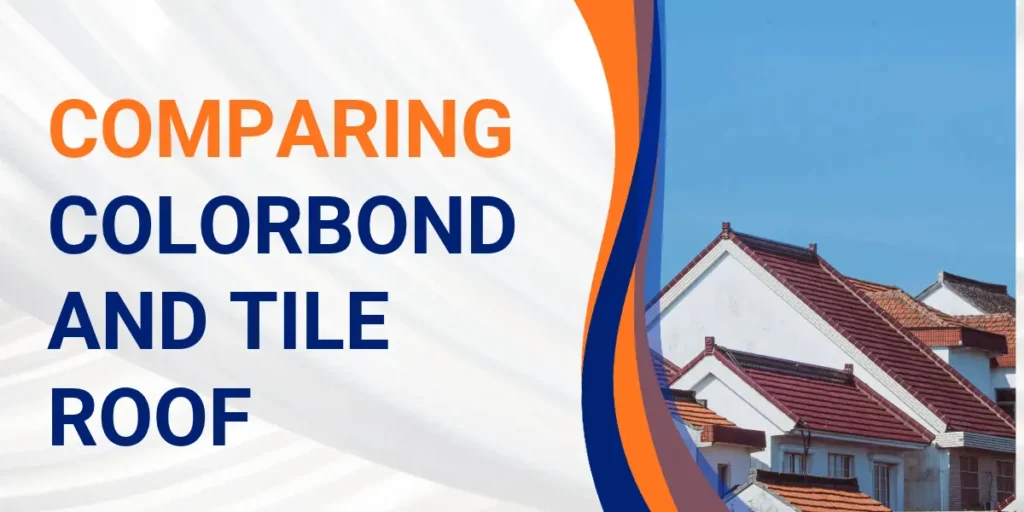
Colorbond vs Tile Roof 2

The key differences when comparing Colorbond and tile roofing for a Sydney home include weight, aesthetics, maintenance, thermal performance and total cost of installation. These materials can both perform well for protection, but which is the best match for your property type and goals as a homeowner.

Incorporating lightweight construction, a clean finish and relatively straightforward maintenance, Colorbond® steel roofing is often the roofing choice of preference. Traditional in its appearance, thermal mass plus the fact that it complements existing Australian home designs means tile roofing remains a firm favourite. The best option usually depends on the existing roof structure, local weather exposure and your long-term plans for the property.

Before making the plunge, here is a comparative glance along the areas you ought to figure in.

Colorbond Roof vs Tile Roof
Factor Colorbond roof Tile roof
Initial cost The cost of roofing is highly dependent on how big your roof space is as well as its design. Depends on the type of tile (concrete or terracotta), design and labour.
Weight Lightweight steel construction. Somewhat heavy — must be well supported.
Maintenance Periodic inspection, fastener examination and coating maintenance. Check ridge capping for broken tiles, mortar and flashing.
Heat performance Reflective colours, insulation and ventilation can enhance efficiency. Heat transfer is slower because of thermal mass, but insulation and ventilation are still important.
Rain noise Without the right insulation, noise can become more apparent. Generally offers better acoustic damping.
Appearance Modern and clean finish, available in a wide variety of colours. Old-world, textured finish with a classic look.
Repairs Sheet, flashing or fastener repairs may be needed. Single broken tiles can sometimes be replaced.
Best suited for Modern designs and homeowners who prefer lighter weight. Houses and buildings where a classic style is important.

Which Roofing Material Offers Better Value?

Neither roofing material is an automatic long-term cheaper or better solution. Consider using Colorbond roof when minimising the weight of your roof, a crisp modern look or limiting ongoing maintenance are all considerations. Tile roofing can be very cost effective for those looking to uphold a traditional finish or character property.

Be sure to ask contractors for a full project cost breakdown to help you compare quotes beyond just the roofing material itself. Your final bill will include the removal and disposal of your roof, structural repairs, insulation, flashing and access as well as labour costs.

Thus, the best option for homeowners in Sydney is to select a type of roofing system that fits their building structure appropriately, offers optimum performance based on local environment and gives proper balance between initial cost and life cycle value.

Sydney, Australia ~ Colorbond vs Tile Roof Price
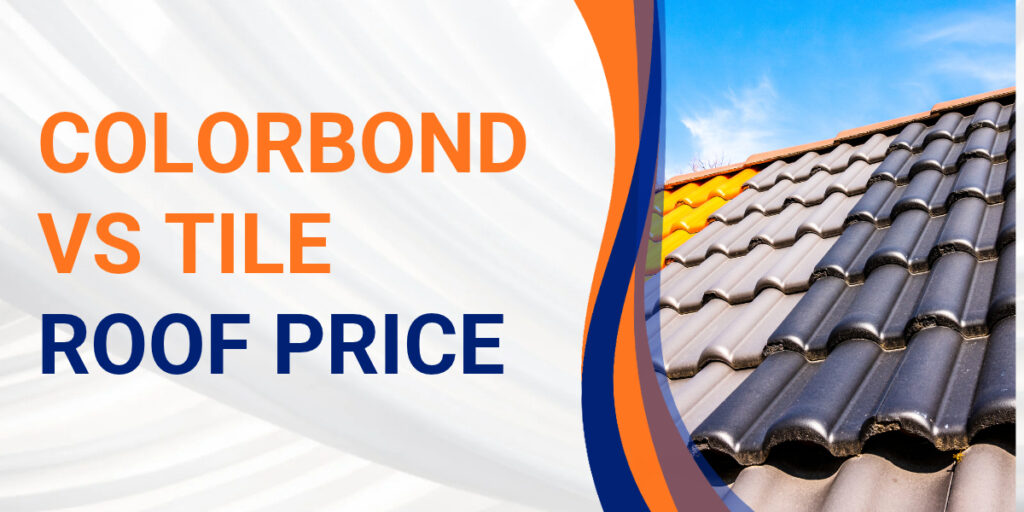
Colorbond vs Tile Roof 3

When it comes to replacing a roof in Sydney, cost isn’t determined by roofing material alone. Other factors affecting the final price include roof size, pitch and design complexity, access and condition of existing structure.

Homeowners should also factor in the cost of removing an old roof, insulation, sarking and flashing as well as any structural work needed before installation.

Colorbond, concrete tile and terracotta tile roofs are all priced differently, and the final figure depends on your roof’s size, pitch, access and condition. We don’t quote a per-square-metre figure without seeing the roof, because two homes of the same size can cost very differently once removal, repairs and flashings are included.

Colorbond Roofing Installation Costs

Colorbond replacement cost depends on the steel profile, roof pitch, access and whether an old tiled roof needs removing first. Colorbond is a good fit for homeowners who want a lightweight roof system, especially when replacing an existing tiled roof.

Concrete Tile Roof Replacement Costs

Concrete tile pricing varies with the tile profile, roof size and structural condition. Concrete tiles are generally a more affordable option than terracotta, but an itemised quote for your roof is the only reliable way to compare.

Terracotta Tile Roofing Costs

Terracotta is usually the higher-cost option because of the material and labour involved. Its colour retention and natural finish appeal to homeowners wanting a traditional look, but the upfront cost can be more than Colorbond or concrete tile.

Long-Term Maintenance and Lifetime Costs

Installation is just one piece of the budget. Colorbond roofs are required for periodic inspection and checking of fasteners, flashings and protective finishes. Cracked tiles may need to be replaced on tile roofs, and ridge capping repaired, along with worn down mortar.

Both systems could have repair and upkeep costs over time. Comparing lifetime value is best done by also considering expected service life, maintenance requirements, energy performance and future repair costs as part of the initial quote.

Want a real figure for your roof? Book a free inspection and we’ll give you an itemised quote.

Sydney Climate – Which Roof is Best?

Colorbond vs Tile Roof 4

The experience of roofing materials in the different climates across Sydney can vary enormously, from the searing summer temperatures in places like Western Sydney to salt-laden air closer to the coast and heavy rains during storms.

Colorbond steel vs tile roofing Both options can work well, given the material and installation tailoring to the specific property’s location.

Summer Heat and Thermal Performance

In Western Sydney, where Australian residents experience plenty of summertime heat, areas such as Penrith and neighbouring suburbs can benefit from choosing a light-coloured Colorbond roof with high solar reflectance. These roofs are designed to absorb less heat than darker colours, especially when combined with ceiling insulation and adequate ventilation. Darker steel finishes typically absorb more solar heat.

Concrete and terracotta tiles retain more heat, this slows down the transfer of warmth. Of course, not every tiled roof will be this cool. It is necessary to note that roof colour, insulation and proper ventilation along with ceiling design will all play a role in indoor comfort.

Rain protection, hail stone resistance and storm resistance

When properly maintained, both materials can hold up against the elements. Of course, wind-driven rain, hail and falling branches can damage roofing systems during storms in Sydney. Metal roofs require sheets that are properly secured, the use of appropriate fasteners and detailed flashings while tiles on tiled roofs may become cracked or displace.

Coastal Salt Exposure and Corrosion

Properties located near beaches like Manly and Cronulla are exposed to worse salt(dust) blown into the air, speeding up corrosion for inappropriate steel roofing and fasteners. It’s essential that the right colorbond product is selected for the exposure category appropriate to a property and that maintenance recommendations from the manufacturer are adhered to. Additionally, tile roofs can work quite well on coastal environments given the use of compatible fixings and other components.

Insulation and Ventilation Matter Too

Insulation and ventilation often make as much difference to indoor comfort as the roofing material itself. Good ceiling insulation, ventilation and sealed roof penetrations help control heat, moisture and ongoing energy costs. Compare the whole roofing system rather than the material alone.

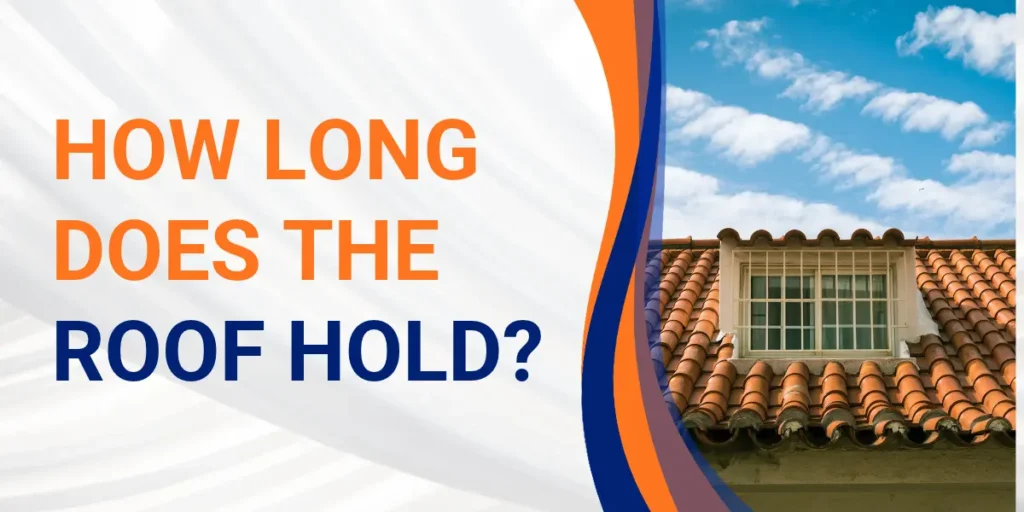
Longevity: How long does the roof hold?
Colorbond vs Tile Roof 5

Despite the fact that Colorbond steel and tile roofing can last for decades, the actual life expectancy will depend on product quality, installation workmanship, site exposure factors and ongoing maintenance. Instead of an average lifespan number, Sydney homeowners ought to analyze the state of their entire roofing structure as well as their roof producer’s warranty.

Colorbond steel is made to last with lower maintenance. Inspections must let you know if there are any damaged sheets, loose fasteners or failing flashings and corrosion signs without delay. Wash regularly, and more often in coastal areas

Tile roofs can last long, too; however, they require different maintenance. Replace cracked or displaced tiles as soon as possible and check ridge capping, mortar, flashing and roof underlay for signs of deterioration. Although some tiles may be replaced independently, after many years the whole roof may need repairs in more fundamental parts.

Who knows what Roof lasts the longest and where it shows up with maintenance cost over time.

Colorbond can be well chosen for home owners that prefer minimal maintenance while a tiled roof is suitable if targeted repairs are carried out with precision rather than the entire covering being replaced at once. But, if these systems develop leaks due to a failed flashing or other part of the roofing system, you may have no choice but to do limited repairs on damaged metal sheets as well.

Warranty policies vary by product and use. Warranties for COLORBOND® steel have conditions that cover the area of installation and end use; whereas for tiles, manufacturers specify warranties against proprietary elements or product types. A product warranty does not equate to the entire service life of the roof.

To understand the long-term budget, balance future maintenance and repair costs along with warranty outages against the base installation price.

Which Roof Feels the Best Fit For Your Sydney House?
Colorbond vs Tile Roof 6

What is the best roofing option for your home in Sydney depends on their architectural style, location, existing roof structure and other priority towards maintenance. Colorbond steel could work a charm for a newer extension in Western Sydney, whereas a classic terrace in the Inner West might fare better with roof tiles.
Best for Modern Homes and Extensions: These structures have beginner designs along with added styles of roofs

Colorbond is a great choice for new homes and renovations and extensions in Sydney

The clean finish, range of colours and lightweight construction provides design flexibility when renovating an existing roof or within a new build.

Tiles — Best for Traditional and Heritage-Style Homes

The warm tones of concrete and terracotta tiles suit many traditional homes throughout the North Shore and Inner West. Yet if the house is covered by heritage controls it may not be allowed to have certain types of roofing or paint or external change. Verify Counsel Requirements Prior to Committing to a Replacement.

Best low-maintenance roof?

Homeowners who want to avoid as many headaches with individual tiles are cement dependent may consider a Colorbond roof, whereas tiled roofs can usually be more easily repaired by simply replacing damaged sections. It is not only the material but also the condition of the existing roof and how it is installed.

Choose The Right Corrosion Prevention For Coastal Sydney And Near Water Properties

In homes on the Northern Beaches, salt exposure should be taken into account in terms of metal roofing, fasteners and flashings. Select appropriate corrosion-resistant product for the exposure conditions at the property and follow the manufacturer’s maintenance recommendations

Most Suitable for Old Houses: Check the Current Roof System First

Use caution if you are replacing an older roof: Have the attic structure checked. Colorbond roofing is usually lighter in weight so might lighten structural requirements, while tiles suit a house that was designed around a tiled roof. A professional inspection will decide the safest and most practical choice.

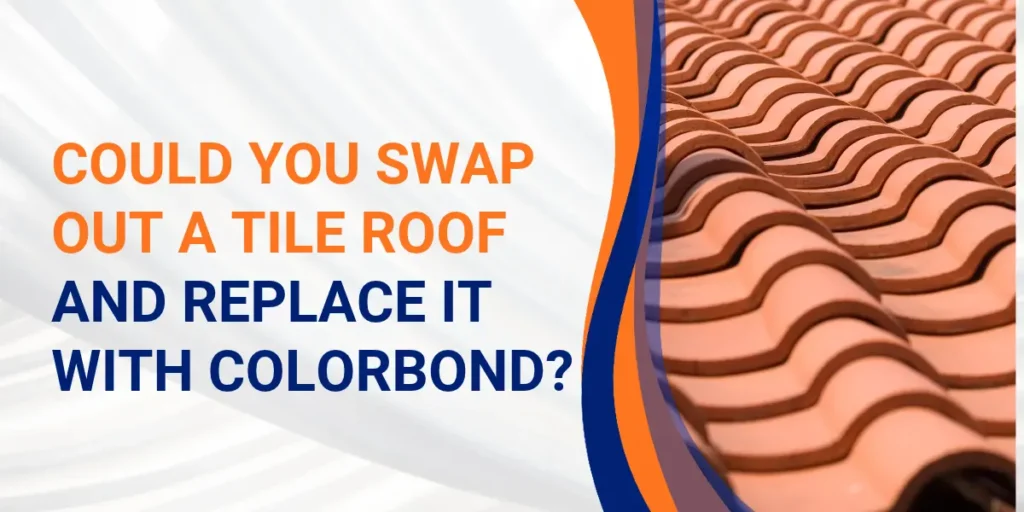
Could You Swap Out a Tile Roof and Replace it with Colorbond?
Colorbond vs Tile Roof 7

Replacing a tiled roof with Colorbond steel is a common upgrade for Sydney homes. Colorbond is much lighter than concrete or terracotta tiles, so the switch can reduce the load on your roof frame.

However, the roof frame they currently come up with has to be tested before fitting.Usually, this process consists of taking off the old tiles, checking if the roof frame has a few issues and also if new battens, sarking or insulation is needed. Once approved, the contractor will proceed to install appropriate steel sheets, flashings and drainage components that form a weather tight finish.

How long the project and how much it costs as well all depends on your roof size, pitch, how easy it is to access, the health of its structure and if further preparation needs to be done. The modified budget will also be due to other repairs, insulation upgrades and the disposal of old tiles.

Before moving forward, schedule an inspection with an accredited Sydney roofing contractor. They will evaluate the roof system, give a description of what needs to be done and send you an itemized estimate. A carefully designed and installed Colorbond roof should meet relevant building requirements, and a licensed contractor can confirm what applies to your property.

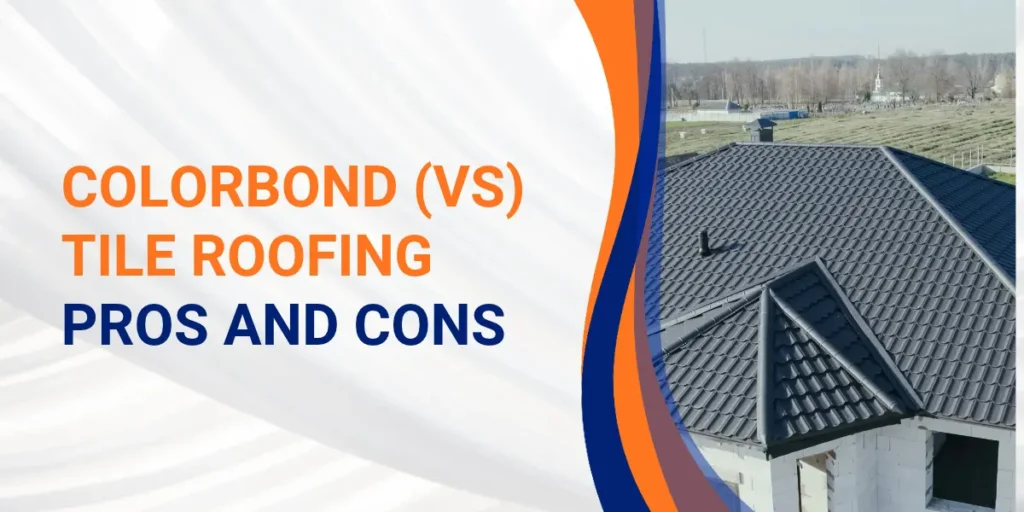
Colorbond (vs) Tile Roofing Pros and Cons
Colorbond vs Tile Roof 8

Colorbond steel and tile roofing are both a safe option for Sydney homes, but each has its own advantages and disadvantages. Before making any decisions, here is a comparative look.

Colorbond vs Tile Roofing: Pros and Cons
Colorbond Roofing Tile Roofing
Pros
  • Lightweight construction can reduce the structural load on the building.
  • Available in different colours and profiles.
  • Routine maintenance is relatively straightforward.
  • Modern look, great for modern homes or extensions.
  • Traditional style fits in with many Australian homes.
  • Thermal mass can help buffer heat exchange.
  • If only a few tiles are broken, they can usually be replaced individually.
  • Concrete or terracotta options work with any budget and fit every style.
Cons
  • Rain and hail noise is amplified without sufficient insulation.
  • Using the wrong product or not maintaining it properly increases the severity of corrosion.
  • Darker colours absorb more solar heat.
  • Specific parts of the sheets or flashings may need repair.
  • Heavier construction needs more structural support.
  • Tiles can occasionally crack or move from their original position.
  • Repairs are often needed for ridge capping, mortar and underlay.
  • Overhanging trees can encourage moss and lichen.

The takeaway: Colorbond is great for lightweight building and contemporary design, while tiles are ideal for traditional design aficionados who appreciate thermal mass. Your situation may be better to fit way that works best, property wise and cost- wise and how much you are willing to maintain.

Frequently Asked Questions

Is Colorbond cheaper than a tile roof?

Colorbond can be price-competitive, but it will not always be cheaper than tile roofing. The total cost depends on roof measurements, configuration, removal of the existing roof, insulation upgrades, labour and construction repairs. Concrete tiles can sometimes have a lower material cost than terracotta tiles, so comparing itemised quotes for the same scope of work is the best way to assess value.

Metal roofing is known for its impeccable corrosion resistance”. Ye absolute hai, aur isi article me upar likha hai ki coastal areas me galat Colorbond product corrode ho sakta hai. Naya: “Both materials can suit coastal Sydney homes. Colorbond products are made to resist corrosion, but you need the right product for your salt exposure.

Colorbond steel and good quality concrete or terracotta tiles are made to last decades, if installed correctly and maintained well. Real service life is dependent on product specifications, workmanship, coastal exposure and maintenance. It is more appropriate to consult the applicable manufacturer’s warranty and product literature instead of using a single service-life prediction for all roofs.

On a tiled roof, rain can actually be quieter than on Colourbond thanks to superior insulation and ceiling construction. But, using the proper ceiling insulation materials, roof design and other acoustic measures can effectively discourage this sound. The most noticeable change within a home depends on the entirety of the roofing system and not simply the outer layer.

Yes, depending on the condition of your house and the local building codes in your area, it is possible to replace a tiled roof with Colorbond steel. The procedure consists of detaching the tiles, examining the roofing framework and suitable battens, sarking, flashings as well as other elements based on your need. A certified roofing contractor should inspect the roof before starting work.

Metal roofing is known for its impeccable corrosion resistance, although both materials can be appropriate for coastal Sydney homes. Select the suitable Colorbond product together with compatible fixings for the property’s salt exposure. Tile roofing also needs appropriate fittings and proper inspections. The choice should finally be made based on local exposure conditions and manufacturing recommendations.

Colourbond – Usually these just need simple visual inspections of the corrosion, fasteners and flashings. Tile Roofs- Check for cracked tiles, ridge capping, condition of mortar and underlay. Both systems can need repair as they age, and there are many factors that impact how much maintenance each system needs; roof condition, installation quality and the environment around it.

Whether you need approval from a council depends on your property, the work you’re proposing and applicable planning controls. In some cases, simple replacements may not need a development application; other properties categorized for heritage significance or conservation areas or sites would impose greater restrictions. Before switching roofing materials, consult your local Sydney council and a qualified building professional.

All the Professional Roofing Advice You Need for Your Home in Sydney

Understanding your roof’s existing condition, structural demands and long-term maintenance will assist you in deciding between Colorbond and tile roofing with greater ease.

Hiring a professional for an inspection should allow you to find out if there is already damage present, if repairs or a full replacement is needed, and discuss which material will meet your needs and suit your budget.

Whether you are looking to modernise your roof with Colorbond, or restore a traditional tiled roof — expert roofing professional services can assist in weighing up the different options available for every type of restoration project and provide you with clear itemised quotation.

Check out our Roof Replacement, Roof Restoration  pages to see how you can go about securing the perfect roofing service for your home or commercial set up.

Ready to upgrade your roof? Get a Roofing Inspection or get a Roof Replacement Quote now in Sydney.
Tile Roof vs Colorbond: Which Is Better For Homes In Sydney?

Tile roof vs Colorbond metal roofing comparison for Sydney homes, highlighting traditional tiled roofing and modern roofing options

Picking the best roofing material is one of the important decisions Sydney homeowners will have to face. The roof is not only a barrier between your house and rain, but also gives you protection from natural calamities. This also has implications on energy efficiency, upkeep costs, aesthetics and overall property value as well. Also, considering that Sydney is hot in summer / experiences a lot of rain and thunderstorms during its wet seasons it means you will need to balance how suitable your roofing material is locally.

Colorbond steel roofing and classic roof tiles are two of the most popular choices. Each has its own qualities, but they also vary based on cost, durability and insulation requirements as well as maintenance over the longterm. Colorbond is lightweight with a contemporary finish while tile roofing is heavy duty with beautiful aesthetics and great thermal performance.

So, what is the best prospect for your home? Whether or not to go with a new roofing system depends on your budget, architectural style, current roof structure and location. This guide will compare Colorbond and tile roofing for your Sydney property.

What Is Colorbond Roofing?

What is Colorbond roofing? Close-up of traditional terracotta roof tiles illustrating different roofing materials for Sydney homes

One of the most popular roofing materials in Australia is COLORBOND steel which is a pre-painted, coated steel developed to face various environmental conditions. It features a proprietary coating system with long-lasting paint finish that helps fight corrosion and keep its good looks. It’s also lighter than many roof replacement materials, which can be a benefit in many roofing situations, especially when homeowners are interested in lightening the load on their existing roof.

A diverse product portfolio is by far one of the main attractions of Colorbond Roofing. Homeowners can select from a host of colours including Surfmist, Monument, Shale Grey and Woodland Grey, along with various finishes and roofing profiles to suit budding modern or traditional Sydney homes. It is engineered for Australia, however there are also specific products available for harsher marine locations. Nonetheless, properties near the coast will need to pay extra attention when choosing what steel grade and maintenance method is best

Colorbond steel roofing and classic roof tiles are two of the most popular choices. Each has its own qualities, but they also vary based on cost, durability and insulation requirements as well as maintenance over the longterm. Colorbond is lightweight with a contemporary finish while tile roofing is heavy duty with beautiful aesthetics and great thermal performance.

So, what is the best prospect for your home? Whether or not to go with a new roofing system depends on your budget, architectural style, current roof structure and location. This guide will compare Colorbond and tile roofing for your Sydney property.

Key Benefits of Colorbond Roofing

  • A lighter construction method: Colorbond steel is significantly lighter than traditional concrete or terracotta roof tiles, making it an option for a wide variety of roof replacement forms.


  • Modern look: Its flat lines, different profiles and wide range of colours suit contemporary homes, extensions and renovations.
    Corrosion resistant: Its protective coating system helps inhibit corrosion, and COLORBOND Ultra steel is created for harsher marine environments.


  • Low-Maintenance: Unlike tiled roofs, Colorbond does not require tiles to be replaced when they crack. Regular inspections and proper cleaning, as well as remedial works to damaged coatings or fixings are still key.


  • Thermal efficiency options: Some light-coloured finishes include Thermatech® solar reflectance technology, which can help minimize heat absorption on sunny days when used in concert with proper roof insulation and ventilation.

Potential Drawbacks of Colorbond Roofing

  • Colorbond roofing offers multiple benefits, but may not be right for every property in Sydney. A common complaint is noise with heavy rains or hail. Rain will sound louder than on a tiled roof if you do not have sufficient insulation over metal roofs and proper ceiling details.


  • Another consideration is if the incorrect product has been installed in a coastal environment and therefore risks corrosion or the inappropriate materials have gained access to the roof e.g. exposure to incompatible materials, unsuitable fixings etc.. Houses near the water may need a specific roofing product along with an exposure appropriate maintenance plan.


  • Variations in heat absorption attributable to the colour of roofing, the insulation and other aspects of building design also can come into play. Darker colours generally absorb more solar heat than lighter alternatives, so a suitable finish is less important for homes exposed to strong summer sunshine.


  • The Capital Cost of Colorbond roofing may vary based on roof style, accessibility and removal and replacement requirements. Because of this, buying it based solely on price may not be an optimal option; as its light-weight construction and rather simple maintenance can sometimes yield many years of dependable service.

Comparing Colorbond and Tile Roof: Major Differences

Colorbond vs Tile Roof 2

The key differences when comparing Colorbond and tile roofing for a Sydney home include weight, aesthetics, maintenance, thermal performance and total cost of installation. These materials can both perform well for protection, but which is the best match for your property type and goals as a homeowner.

Incorporating lightweight construction, a clean finish and relatively straightforward maintenance, Colorbond® steel roofing is often the roofing choice of preference. Traditional in its appearance, thermal mass plus the fact that it complements existing Australian home designs means tile roofing remains a firm favourite. The best option usually depends on the existing roof structure, local weather exposure and your long-term plans for the property.

Before making the plunge, here is a comparative glance along the areas you ought to figure in.

Colorbond Roof vs Tile Roof
Factor Colorbond roof Tile roof
Initial cost The cost of roofing is highly dependent on how big your roof space is as well as its design. Depends on the type of tile (concrete or terracotta), design and labour.
Weight Lightweight steel construction. Somewhat heavy — must be well supported.
Maintenance Periodic inspection, fastener examination and coating maintenance. Check ridge capping for broken tiles, mortar and flashing.
Heat performance Reflective colours, insulation and ventilation can enhance efficiency. Heat transfer is slower because of thermal mass, but insulation and ventilation are still important.
Rain noise Without the right insulation, noise can become more apparent. Generally offers better acoustic damping.
Appearance Modern and clean finish, available in a wide variety of colours. Old-world, textured finish with a classic look.
Repairs Sheet, flashing or fastener repairs may be needed. Single broken tiles can sometimes be replaced.
Best suited for Modern designs and homeowners who prefer lighter weight. Houses and buildings where a classic style is important.

Which Roofing Material Offers Better Value?

Neither roofing material is an automatic long-term cheaper or better solution. Consider using Colorbond roof when minimising the weight of your roof, a crisp modern look or limiting ongoing maintenance are all considerations. Tile roofing can be very cost effective for those looking to uphold a traditional finish or character property.

Be sure to ask contractors for a full project cost breakdown to help you compare quotes beyond just the roofing material itself. Your final bill will include the removal and disposal of your roof, structural repairs, insulation, flashing and access as well as labour costs.

Thus, the best option for homeowners in Sydney is to select a type of roofing system that fits their building structure appropriately, offers optimum performance based on local environment and gives proper balance between initial cost and life cycle value.

Sydney, Australia ~ Colorbond vs Tile Roof Price

Colorbond vs Tile Roof 3

When it comes to replacing a roof in Sydney, cost isn’t determined by roofing material alone. Other factors affecting the final price include roof size, pitch and design complexity, access and condition of existing structure.

Homeowners should also factor in the cost of removing an old roof, insulation, sarking and flashing as well as any structural work needed before installation.

Colorbond, concrete tile and terracotta tile roofs are all priced differently, and the final figure depends on your roof’s size, pitch, access and condition. We don’t quote a per-square-metre figure without seeing the roof, because two homes of the same size can cost very differently once removal, repairs and flashings are included.

Colorbond Roofing Installation Costs

Colorbond replacement cost depends on the steel profile, roof pitch, access and whether an old tiled roof needs removing first. Colorbond is a good fit for homeowners who want a lightweight roof system, especially when replacing an existing tiled roof.

Concrete Tile Roof Replacement Costs

Concrete tile pricing varies with the tile profile, roof size and structural condition. Concrete tiles are generally a more affordable option than terracotta, but an itemised quote for your roof is the only reliable way to compare.

Terracotta Tile Roofing Costs

Terracotta is usually the higher-cost option because of the material and labour involved. Its colour retention and natural finish appeal to homeowners wanting a traditional look, but the upfront cost can be more than Colorbond or concrete tile.

Long-Term Maintenance and Lifetime Costs

Installation is just one piece of the budget. Colorbond roofs are required for periodic inspection and checking of fasteners, flashings and protective finishes. Cracked tiles may need to be replaced on tile roofs, and ridge capping repaired, along with worn down mortar.

Both systems could have repair and upkeep costs over time. Comparing lifetime value is best done by also considering expected service life, maintenance requirements, energy performance and future repair costs as part of the initial quote.

Want a real figure for your roof? Book a free inspection and we’ll give you an itemised quote.

Sydney Climate – Which Roof is Best?

Colorbond vs Tile Roof 4

The experience of roofing materials in the different climates across Sydney can vary enormously, from the searing summer temperatures in places like Western Sydney to salt-laden air closer to the coast and heavy rains during storms.

Colorbond steel vs tile roofing Both options can work well, given the material and installation tailoring to the specific property’s location.

Summer Heat and Thermal Performance

In Western Sydney, where Australian residents experience plenty of summertime heat, areas such as Penrith and neighbouring suburbs can benefit from choosing a light-coloured Colorbond roof with high solar reflectance. These roofs are designed to absorb less heat than darker colours, especially when combined with ceiling insulation and adequate ventilation. Darker steel finishes typically absorb more solar heat.

Concrete and terracotta tiles retain more heat, this slows down the transfer of warmth. Of course, not every tiled roof will be this cool. It is necessary to note that roof colour, insulation and proper ventilation along with ceiling design will all play a role in indoor comfort.

Rain protection, hail stone resistance and storm resistance

When properly maintained, both materials can hold up against the elements. Of course, wind-driven rain, hail and falling branches can damage roofing systems during storms in Sydney. Metal roofs require sheets that are properly secured, the use of appropriate fasteners and detailed flashings while tiles on tiled roofs may become cracked or displace.

Coastal Salt Exposure and Corrosion

Properties located near beaches like Manly and Cronulla are exposed to worse salt(dust) blown into the air, speeding up corrosion for inappropriate steel roofing and fasteners. It’s essential that the right colorbond product is selected for the exposure category appropriate to a property and that maintenance recommendations from the manufacturer are adhered to. Additionally, tile roofs can work quite well on coastal environments given the use of compatible fixings and other components.

Insulation and Ventilation Matter Too

Insulation and ventilation often make as much difference to indoor comfort as the roofing material itself. Good ceiling insulation, ventilation and sealed roof penetrations help control heat, moisture and ongoing energy costs. Compare the whole roofing system rather than the material alone.

Longevity: How long does the roof hold?

Colorbond vs Tile Roof 5

Despite the fact that Colorbond steel and tile roofing can last for decades, the actual life expectancy will depend on product quality, installation workmanship, site exposure factors and ongoing maintenance. Instead of an average lifespan number, Sydney homeowners ought to analyze the state of their entire roofing structure as well as their roof producer’s warranty.

Colorbond steel is made to last with lower maintenance. Inspections must let you know if there are any damaged sheets, loose fasteners or failing flashings and corrosion signs without delay. Wash regularly, and more often in coastal areas

Tile roofs can last long, too; however, they require different maintenance. Replace cracked or displaced tiles as soon as possible and check ridge capping, mortar, flashing and roof underlay for signs of deterioration. Although some tiles may be replaced independently, after many years the whole roof may need repairs in more fundamental parts.

Who knows what Roof lasts the longest and where it shows up with maintenance cost over time.

Colorbond can be well chosen for home owners that prefer minimal maintenance while a tiled roof is suitable if targeted repairs are carried out with precision rather than the entire covering being replaced at once. But, if these systems develop leaks due to a failed flashing or other part of the roofing system, you may have no choice but to do limited repairs on damaged metal sheets as well.

Warranty policies vary by product and use. Warranties for COLORBOND® steel have conditions that cover the area of installation and end use; whereas for tiles, manufacturers specify warranties against proprietary elements or product types. A product warranty does not equate to the entire service life of the roof.

To understand the long-term budget, balance future maintenance and repair costs along with warranty outages against the base installation price.

Which Roof Feels the Best Fit For Your Sydney House?

Colorbond vs Tile Roof 6

What is the best roofing option for your home in Sydney depends on their architectural style, location, existing roof structure and other priority towards maintenance. Colorbond steel could work a charm for a newer extension in Western Sydney, whereas a classic terrace in the Inner West might fare better with roof tiles.
Best for Modern Homes and Extensions: These structures have beginner designs along with added styles of roofs

Colorbond is a great choice for new homes and renovations and extensions in Sydney

The clean finish, range of colours and lightweight construction provides design flexibility when renovating an existing roof or within a new build.

Tiles — Best for Traditional and Heritage-Style Homes

The warm tones of concrete and terracotta tiles suit many traditional homes throughout the North Shore and Inner West. Yet if the house is covered by heritage controls it may not be allowed to have certain types of roofing or paint or external change. Verify Counsel Requirements Prior to Committing to a Replacement.

Best low-maintenance roof?

Homeowners who want to avoid as many headaches with individual tiles are cement dependent may consider a Colorbond roof, whereas tiled roofs can usually be more easily repaired by simply replacing damaged sections. It is not only the material but also the condition of the existing roof and how it is installed.

Choose The Right Corrosion Prevention For Coastal Sydney And Near Water Properties

In homes on the Northern Beaches, salt exposure should be taken into account in terms of metal roofing, fasteners and flashings. Select appropriate corrosion-resistant product for the exposure conditions at the property and follow the manufacturer’s maintenance recommendations

Most Suitable for Old Houses: Check the Current Roof System First

Use caution if you are replacing an older roof: Have the attic structure checked. Colorbond roofing is usually lighter in weight so might lighten structural requirements, while tiles suit a house that was designed around a tiled roof. A professional inspection will decide the safest and most practical choice.

Could You Swap Out a Tile Roof and Replace it with Colorbond?

Colorbond vs Tile Roof 7

Replacing a tiled roof with Colorbond steel is a common upgrade for Sydney homes. Colorbond is much lighter than concrete or terracotta tiles, so the switch can reduce the load on your roof frame.

However, the roof frame they currently come up with has to be tested before fitting.Usually, this process consists of taking off the old tiles, checking if the roof frame has a few issues and also if new battens, sarking or insulation is needed. Once approved, the contractor will proceed to install appropriate steel sheets, flashings and drainage components that form a weather tight finish.

How long the project and how much it costs as well all depends on your roof size, pitch, how easy it is to access, the health of its structure and if further preparation needs to be done. The modified budget will also be due to other repairs, insulation upgrades and the disposal of old tiles.

Before moving forward, schedule an inspection with an accredited Sydney roofing contractor. They will evaluate the roof system, give a description of what needs to be done and send you an itemized estimate. A carefully designed and installed Colorbond roof should meet relevant building requirements, and a licensed contractor can confirm what applies to your property.

Colorbond (vs) Tile Roofing Pros and Cons

Colorbond vs Tile Roof 8

Colorbond steel and tile roofing are both a safe option for Sydney homes, but each has its own advantages and disadvantages. Before making any decisions, here is a comparative look.

Colorbond vs Tile Roofing: Pros and Cons
Colorbond Roofing Tile Roofing
Pros
  • Lightweight construction can reduce the structural load on the building.
  • Available in different colours and profiles.
  • Routine maintenance is relatively straightforward.
  • Modern look, great for modern homes or extensions.
  • Traditional style fits in with many Australian homes.
  • Thermal mass can help buffer heat exchange.
  • If only a few tiles are broken, they can usually be replaced individually.
  • Concrete or terracotta options work with any budget and fit every style.
Cons
  • Rain and hail noise is amplified without sufficient insulation.
  • Using the wrong product or not maintaining it properly increases the severity of corrosion.
  • Darker colours absorb more solar heat.
  • Specific parts of the sheets or flashings may need repair.
  • Heavier construction needs more structural support.
  • Tiles can occasionally crack or move from their original position.
  • Repairs are often needed for ridge capping, mortar and underlay.
  • Overhanging trees can encourage moss and lichen.

The takeaway: Colorbond is great for lightweight building and contemporary design, while tiles are ideal for traditional design aficionados who appreciate thermal mass. Your situation may be better to fit way that works best, property wise and cost- wise and how much you are willing to maintain.

Frequently Asked Questions

Is Colorbond cheaper than a tile roof?

Colorbond can be price-competitive, but it will not always be cheaper than tile roofing. The total cost depends on roof measurements, configuration, removal of the existing roof, insulation upgrades, labour and construction repairs. Concrete tiles can sometimes have a lower material cost than terracotta tiles, so comparing itemised quotes for the same scope of work is the best way to assess value.

Metal roofing is known for its impeccable corrosion resistance”. Ye absolute hai, aur isi article me upar likha hai ki coastal areas me galat Colorbond product corrode ho sakta hai. Naya: “Both materials can suit coastal Sydney homes. Colorbond products are made to resist corrosion, but you need the right product for your salt exposure.

Colorbond steel and good quality concrete or terracotta tiles are made to last decades, if installed correctly and maintained well. Real service life is dependent on product specifications, workmanship, coastal exposure and maintenance. It is more appropriate to consult the applicable manufacturer’s warranty and product literature instead of using a single service-life prediction for all roofs.

On a tiled roof, rain can actually be quieter than on Colourbond thanks to superior insulation and ceiling construction. But, using the proper ceiling insulation materials, roof design and other acoustic measures can effectively discourage this sound. The most noticeable change within a home depends on the entirety of the roofing system and not simply the outer layer.

Yes, depending on the condition of your house and the local building codes in your area, it is possible to replace a tiled roof with Colorbond steel. The procedure consists of detaching the tiles, examining the roofing framework and suitable battens, sarking, flashings as well as other elements based on your need. A certified roofing contractor should inspect the roof before starting work.

Metal roofing is known for its impeccable corrosion resistance, although both materials can be appropriate for coastal Sydney homes. Select the suitable Colorbond product together with compatible fixings for the property’s salt exposure. Tile roofing also needs appropriate fittings and proper inspections. The choice should finally be made based on local exposure conditions and manufacturing recommendations.

Colourbond – Usually these just need simple visual inspections of the corrosion, fasteners and flashings. Tile Roofs- Check for cracked tiles, ridge capping, condition of mortar and underlay. Both systems can need repair as they age, and there are many factors that impact how much maintenance each system needs; roof condition, installation quality and the environment around it.

Whether you need approval from a council depends on your property, the work you’re proposing and applicable planning controls. In some cases, simple replacements may not need a development application; other properties categorized for heritage significance or conservation areas or sites would impose greater restrictions. Before switching roofing materials, consult your local Sydney council and a qualified building professional.

All the Professional Roofing Advice You Need for Your Home in Sydney

Understanding your roof’s existing condition, structural demands and long-term maintenance will assist you in deciding between Colorbond and tile roofing with greater ease.

Hiring a professional for an inspection should allow you to find out if there is already damage present, if repairs or a full replacement is needed, and discuss which material will meet your needs and suit your budget.

Whether you are looking to modernise your roof with Colorbond, or restore a traditional tiled roof — expert roofing professional services can assist in weighing up the different options available for every type of restoration project and provide you with clear itemised quotation.

Check out our Roof Replacement, Roof Restoration  pages to see how you can go about securing the perfect roofing service for your home or commercial set up.

Ready to upgrade your roof? Get a Roofing Inspection or get a Roof Replacement Quote now in Sydney.